

Pool cues for every stroke
From your first step up from a house cue to tournament-grade Predator TrueSplice, we carry playing, break and jump cues from the brands serious players trust.
 Quick view
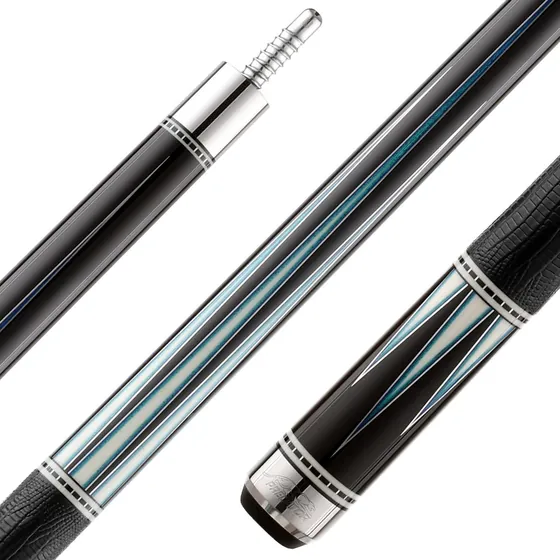
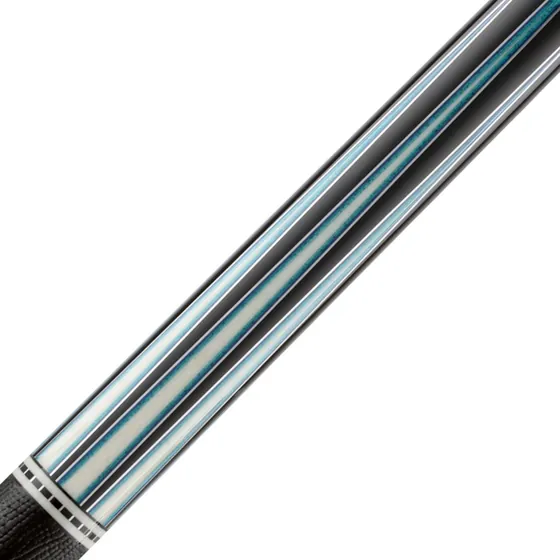
Predator Limited TrueSplice 16 Gen 4 - Blue/Teal
 Quick view
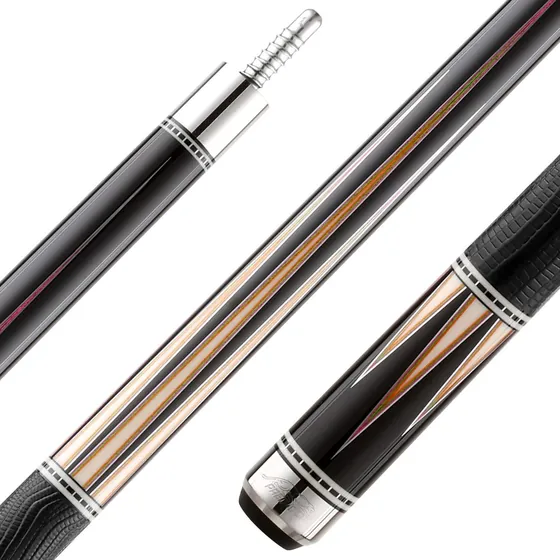
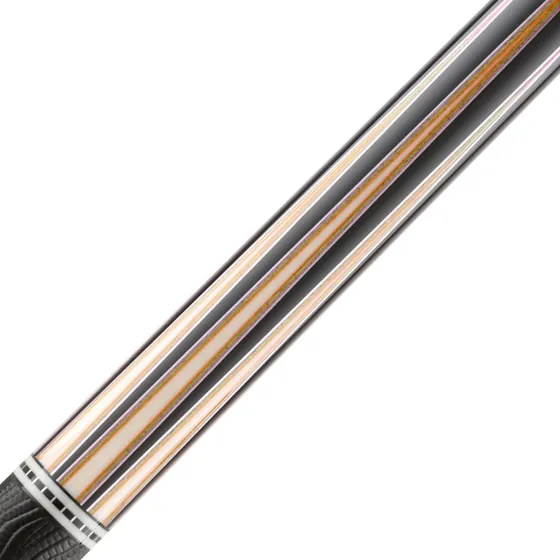
Predator Limited TrueSplice 16 Gen 4 - Pink/Green
 Quick view
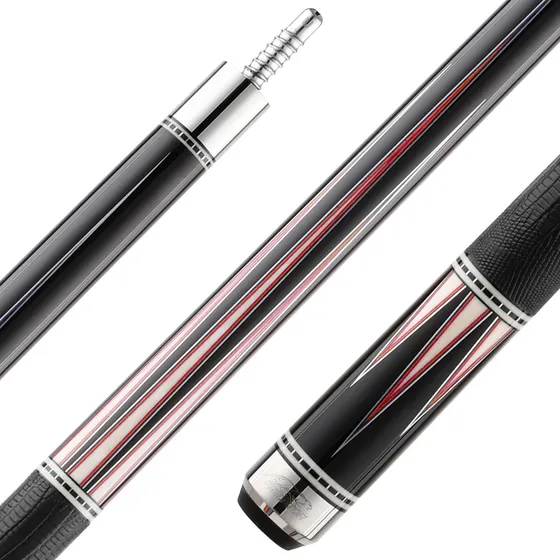
Predator Limited TrueSplice 16 Gen 4 - Purple/Orange
 Quick view
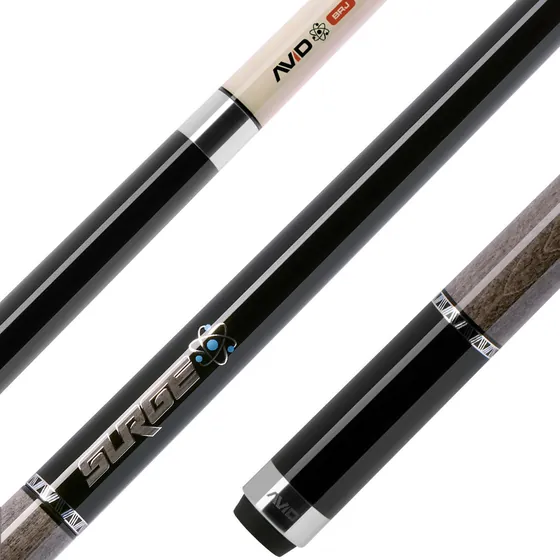
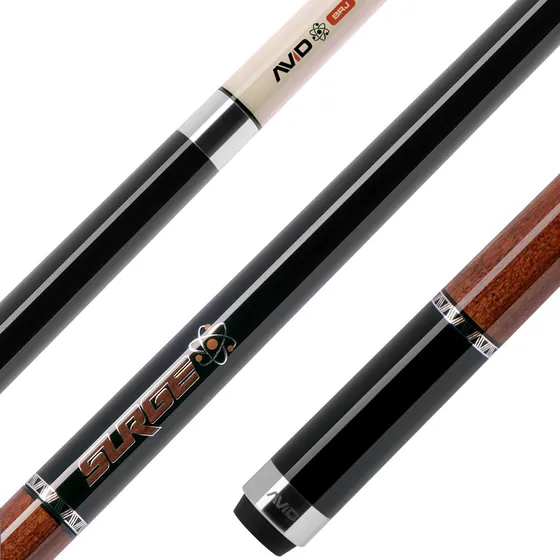
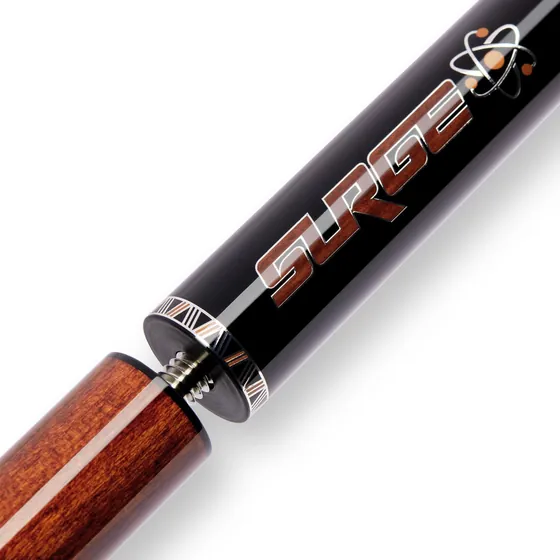
Cuetec Avid Surge Break/Jump Cue - Grey
 Quick view
Cuetec Avid Surge Break/Jump Cue - Brown
 Quick view
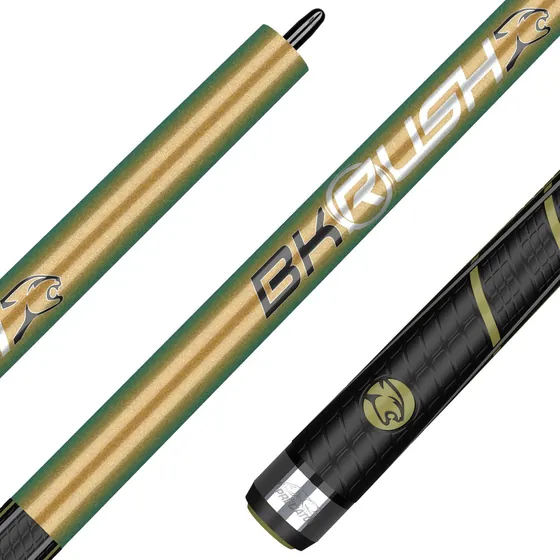
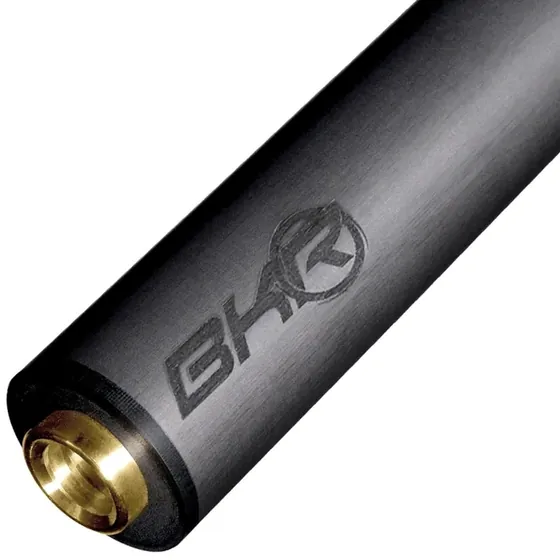
Predator BK Rush Chameleon Break Cue - Sport Wrap
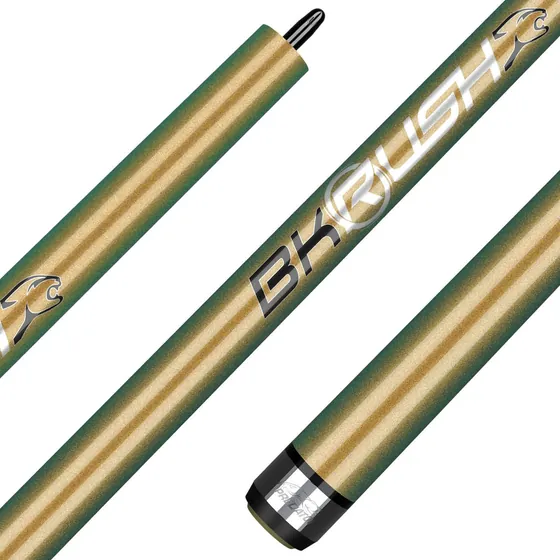
 Quick view
Predator BK Rush Chameleon Break Cue - No Wrap
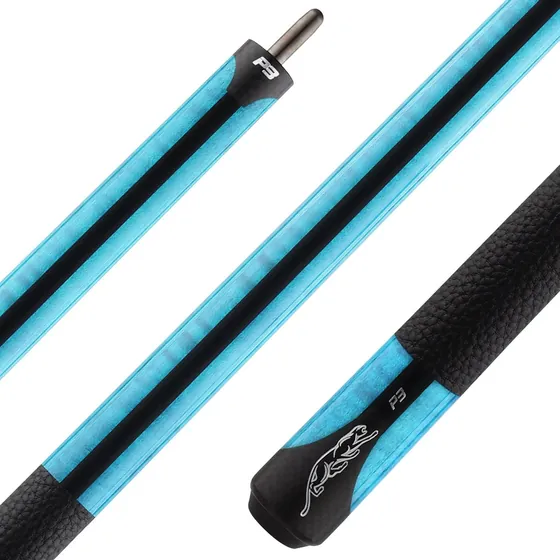
 Quick view
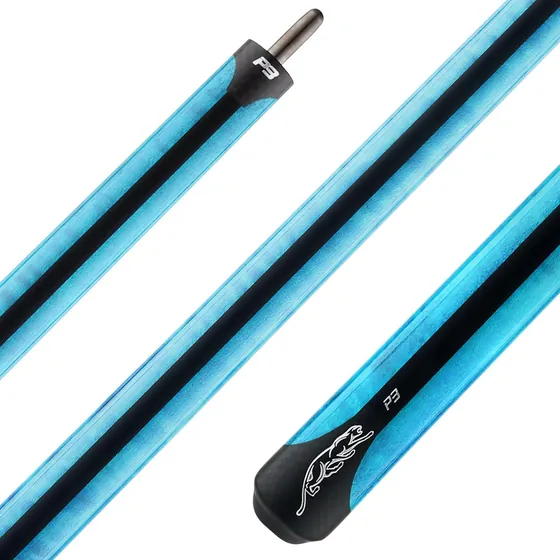
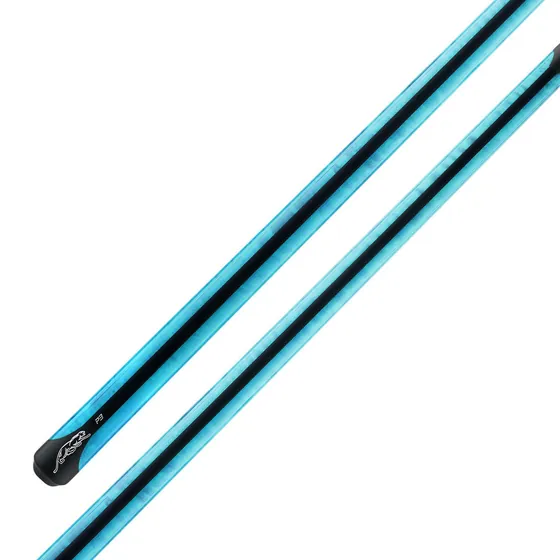
Predator P3 Stained Teal Curly Maple - Leather Wrap
 Quick view
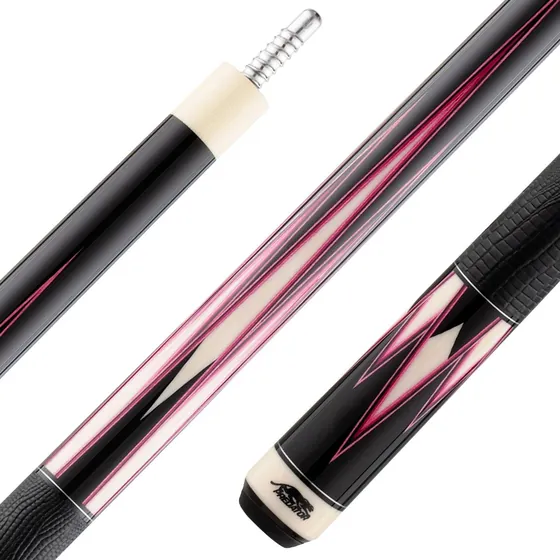
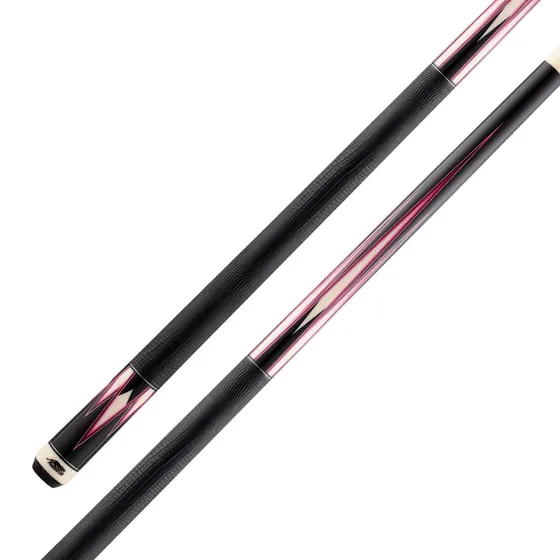
Predator P3 Stained Teal Curly Maple - No Wrap
 Quick view
Predator Limited TrueSplice 16 Pink - Leather Wrap
 Quick view
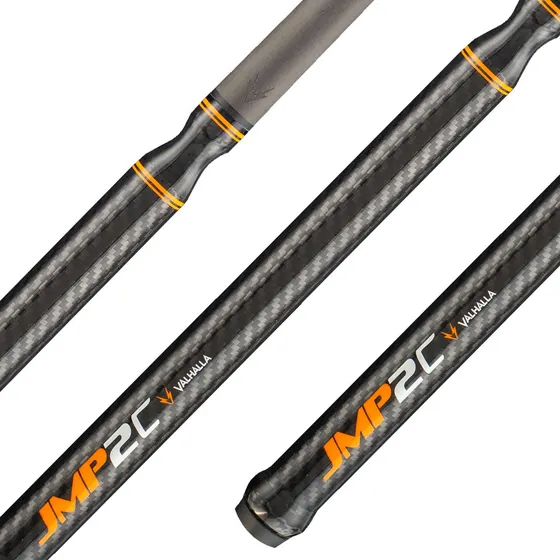
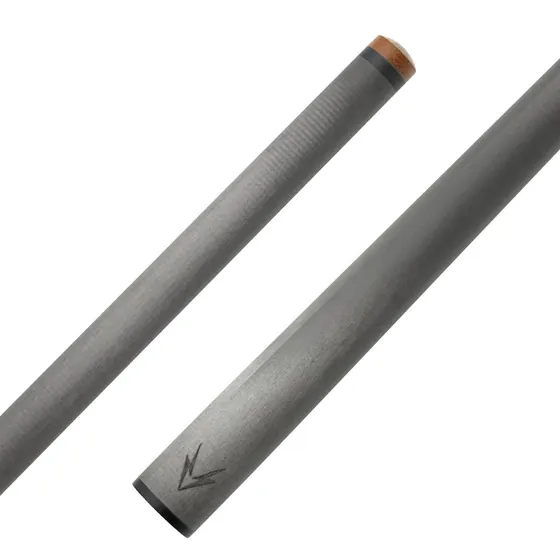
Valhalla VA-JMP2C Carbon Fiber Jump Cue
 Quick view
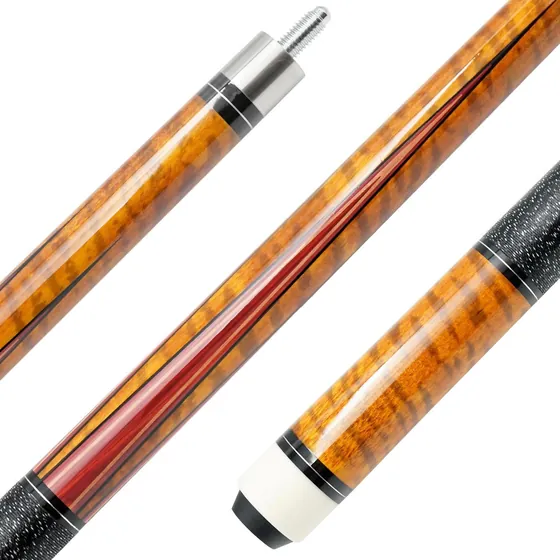
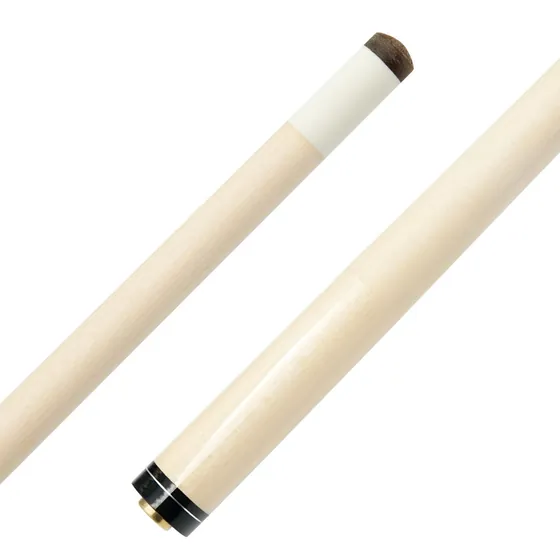
Talon TL24 Rosewood w/ Amber Points
 Quick view
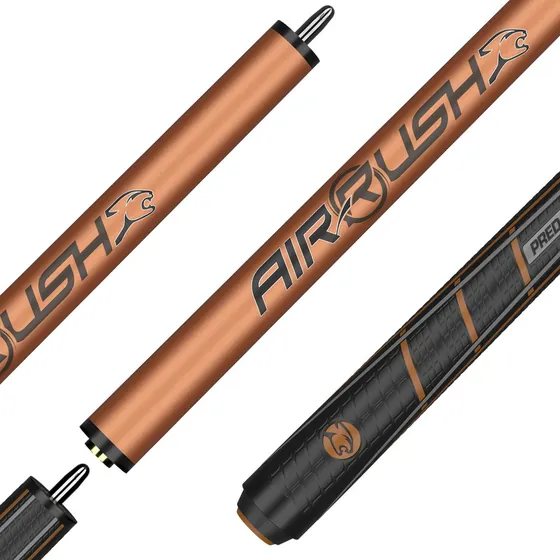
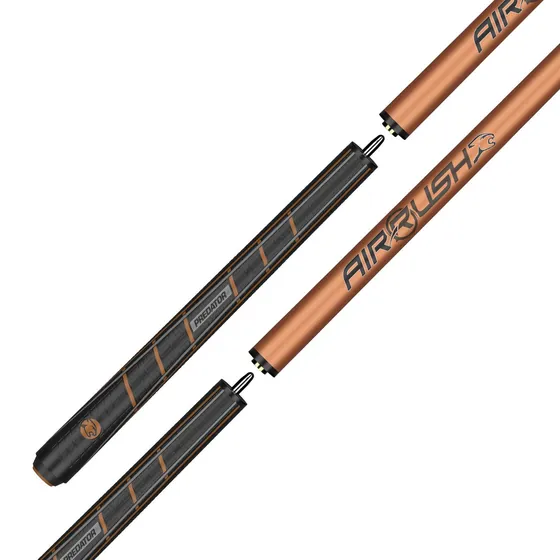
Predator Air Rush Tiger Eye Jump Cue - Sport Wrap
 Quick view
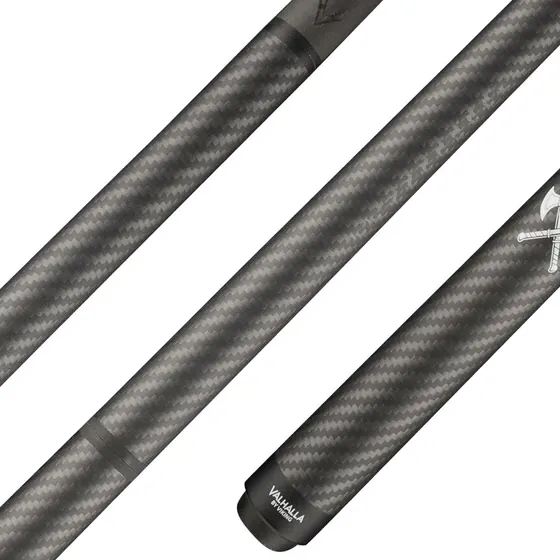
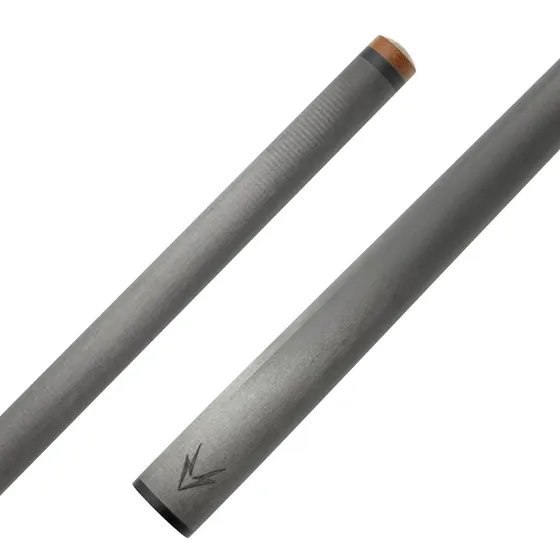
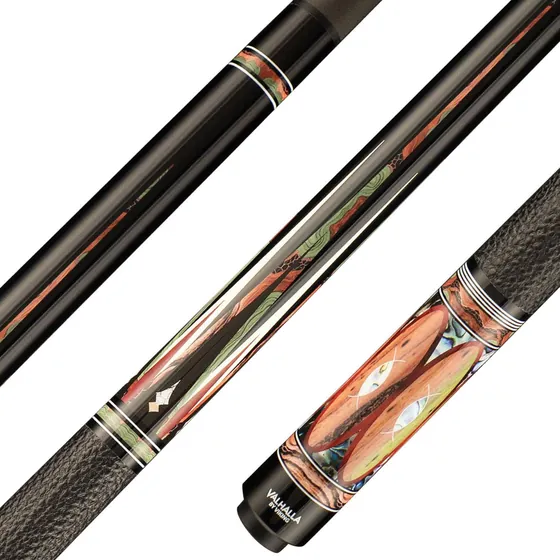
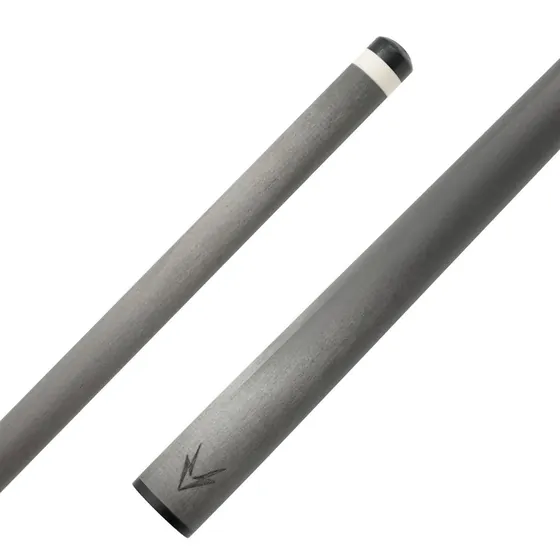
Valhalla VABRKC Break/Jump Cue with Carbon Shaft
 Quick view
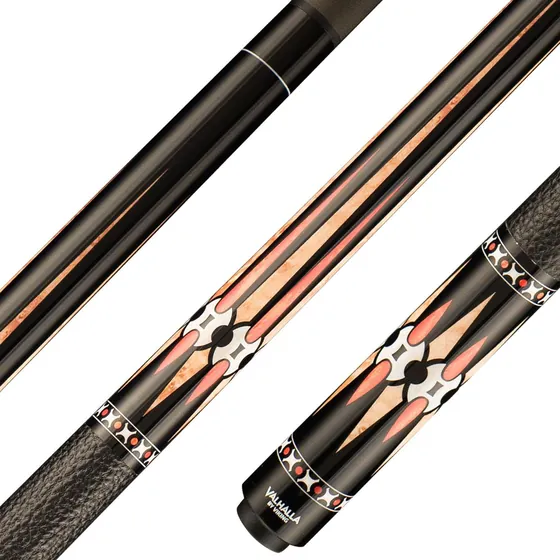
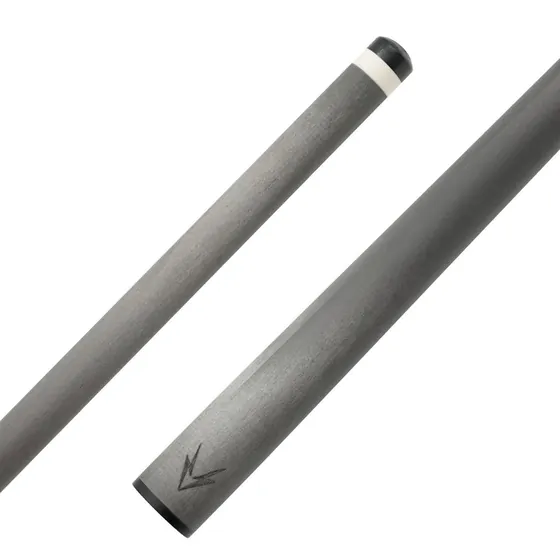
Valhalla VC06 Pool Cue with Carbon Shaft
 Quick view
Valhalla VC04 Pool Cue with Carbon Shaft
Questions players ask us every day
Straight answers from a team that's been doing this since 1993.
What should I spend on my first real cue?
A casual player or beginner can find a solid, well-built cue for around $100 to $200 from Action, Valhalla, Talon or McDermott Lucky. League and competitive players typically move into the $250 to $500 range with Lucasi, Cuetec or Viking. High-end cues from Predator, McDermott, Jacoby and Pechauer run from several hundred dollars upward.
What length and weight should I get?
Standard pool cues are 58 inches long and suit most adults. Taller players sometimes prefer 59 inches, and kids or shorter players should look at 48 to 52 inches. Weight typically ranges from 18 to 21 ounces; 19 ounces is the most common starting point.
Maple, low-deflection or carbon fiber shaft?
Hard rock maple is straight, dense and consistent. Spliced and Kielwood shafts from Predator and Pechauer offer improved performance over standard maple. Carbon fiber from Whyte Carbon, Cuetec Cynergy and Bull Carbon offers the lowest deflection and warp resistance at a higher price.
Do I need a separate break or jump cue?
Not to start. Once you're playing leagues, a dedicated break cue protects your playing tip and gives you a harder hit. Break/jump cues like the Cuetec AVID Surge BRJ and Valhalla VA-BRKC do both jobs in one.
Which wrap is best?
Irish linen is the most common: slightly textured and breathable. Leather is tackier for a firmer grip. No-wrap cues give you direct contact with the wood for maximum feedback. It's personal preference, and there's no wrong answer.
Not sure what fits your game?
Call our team. We've been fitting players with cues, shafts and cases since 1993, and you'll talk to someone who actually plays.
