

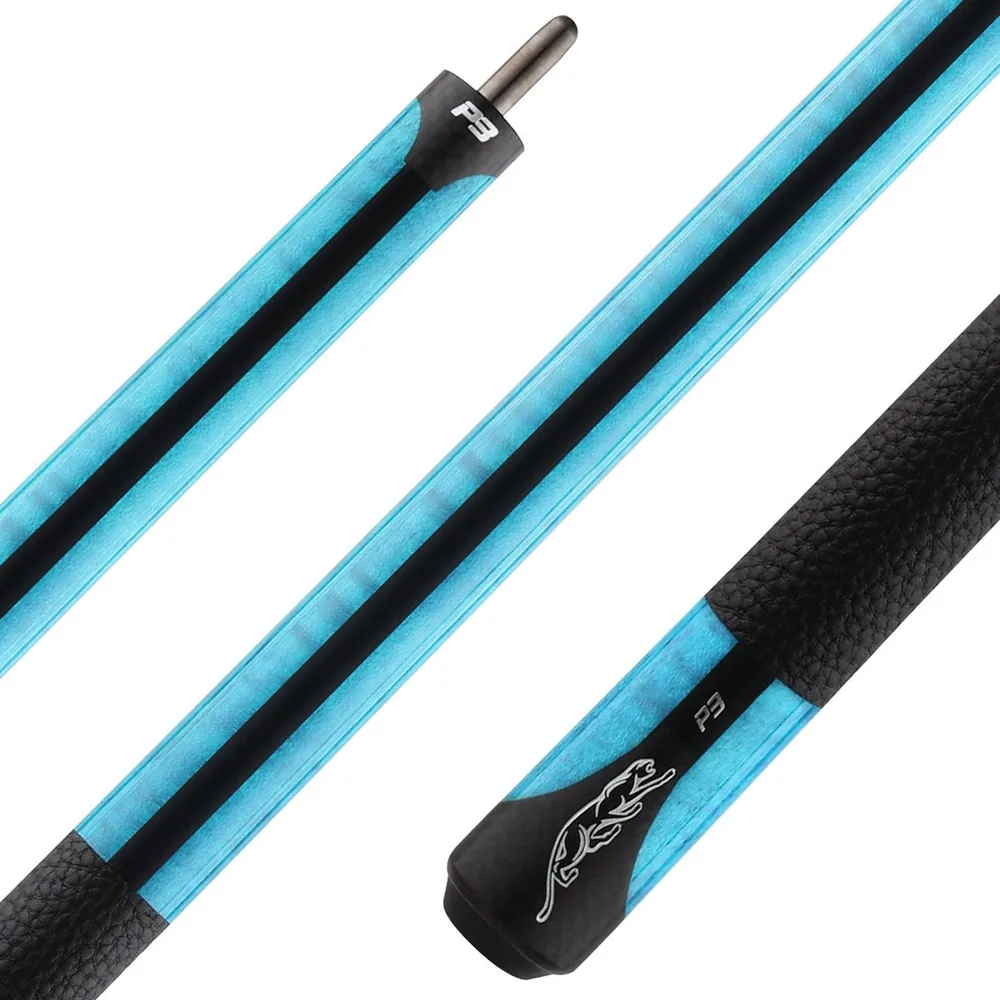
A pool cue is personal equipment. The right one depends on how you play, where you play and what you need from it. Skip the marketing and focus on these five factors.
1. Set a budget that matches how you play
Budget and commitment usually go hand in hand. You don't need a four-figure cue to play great pool, but a straight, well-built cue removes excuses.
- $90 to $200: beginners and casual players. Look at Valhalla, Talon, Action and McDermott Lucky.
- $250 to $500: league and competitive players. Lucasi, Cuetec, Viking and the Valhalla Carbon Series live here.
- $500 and up: high-end and custom cues from Predator, McDermott, Jacoby and Pechauer.
2. Length and weight
Standard cues are 58 inches long and suit most adults. Taller players sometimes prefer 59 inches, and kids or shorter players should look at cues between 48 and 52 inches.
Weight typically runs 18 to 21 ounces. Most players settle on a preference over time; if you're just starting out, 19 ounces is a safe default.
3. Shaft material
The shaft affects your game more than any other part of the cue. Hard rock maple is the industry standard because it's straight, dense and consistent. Low-deflection wood shafts (spliced maple and Kielwood) reduce cue ball squirt while keeping a wood feel, and carbon fiber offers the lowest deflection and total warp resistance at a higher price.
Already own a cue you love? A new low-deflection or carbon shaft is often a better upgrade than a new cue.
4. Tip size and hardness
A larger tip diameter gives you more margin on contact and is a better starting point for beginners. A smaller tip gives advanced players more precision when applying English. Soft tips grip the cue ball longer for more spin; hard tips give a crisper, more direct hit. Medium is the most practical choice: good feel and less maintenance.
5. Wrap style
The wrap is where your back hand grips the cue. Irish linen is the most common: slightly textured and breathable. Leather wraps are tackier for players who want a firmer grip. No-wrap cues give you direct contact with the wood for maximum feedback. This one is pure preference.
Complete your setup
Once you've found your cue, protect it with a case and keep it playing its best with chalk, a glove and a tip tool. Still unsure? Ask our team and tell us how you play.