

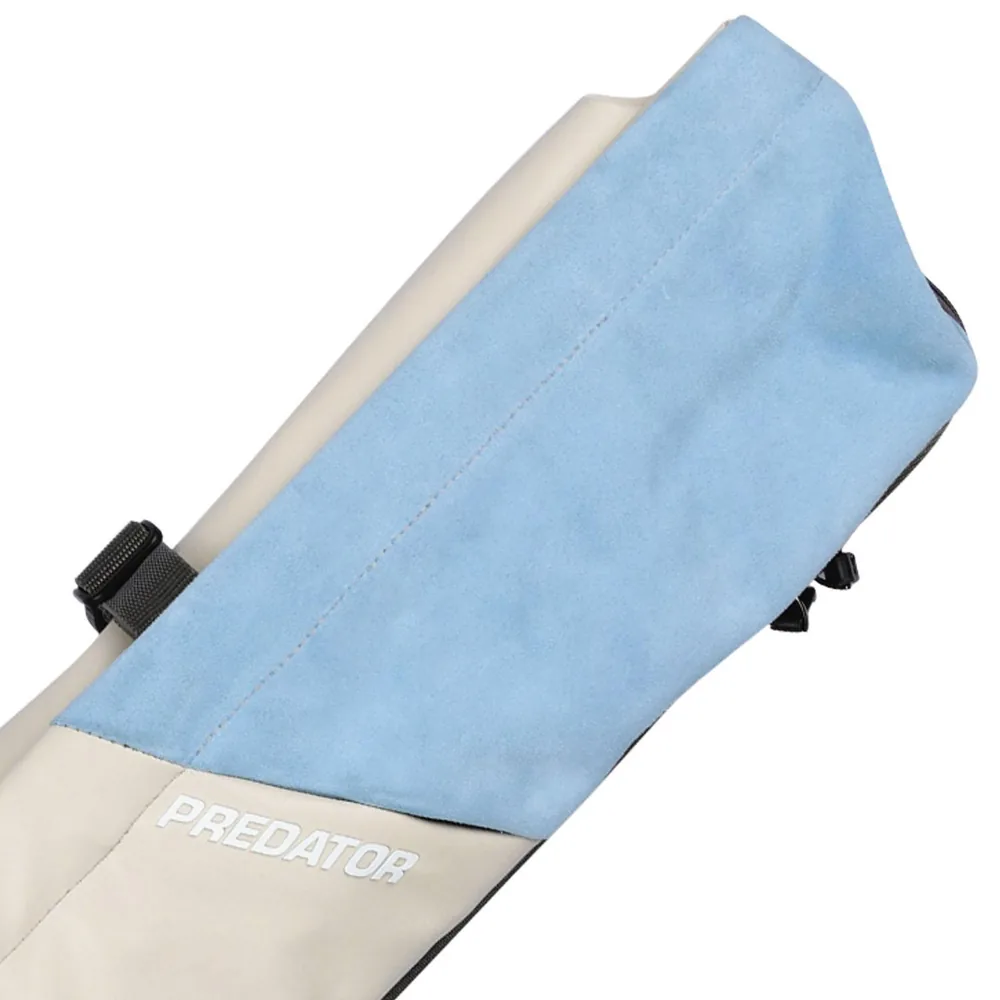
A cue that warps, gets dinged in transit or rides loose in the back of a car may never play the same again. A good case is one of the most practical investments you can make.
Hard case or soft case?
Hard cases use a rigid shell of leather, PVC or plastic with padded interiors and foam or felt dividers. They're the right choice for players who travel regularly, compete in leagues or tournaments, or carry cues that justify the protection.
Soft cases are lighter and more flexible, with padded interiors and exterior pockets for tips, chalk and gloves. They're practical for players who drive to league night and don't need maximum impact resistance.
Case sizes explained
| Size | Holds | Best for |
|---|---|---|
| 1x1 | 1 butt, 1 shaft | A single playing cue |
| 2x2 | 2 butts, 2 shafts | Playing cue plus a break cue |
| 2x4 | 2 butts, 4 shafts | Playing and break/jump cue with spare shafts |
| 3x5 | 3 butts, 5 shafts | League and tournament players: playing, break and jump |
| 4x8 | 4 butts, 8 shafts | Players who rotate cues or travel to multi-day events |
Materials
- Leather: Instroke is the benchmark for premium leather, tooled and exotic cases. Durable and better with age; condition it occasionally.
- Canvas: Action cases pair canvas with hard tube construction: light, shapely and easy to wipe clean.
- Vinyl and synthetics: moisture-resistant and available in loads of colors and patterns, from Predator's Urbain and Roadline to Eight Ball Mafia's statement designs.
Flying with your cues
If you fly to tournaments, a standard hard case is not enough. Look for a dedicated travel case built for checked baggage, with a large interior and lockable zippers.
Browse our cue cases, or tell us what you carry and we'll recommend a size.